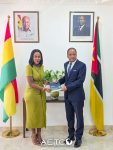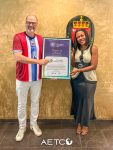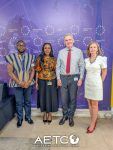
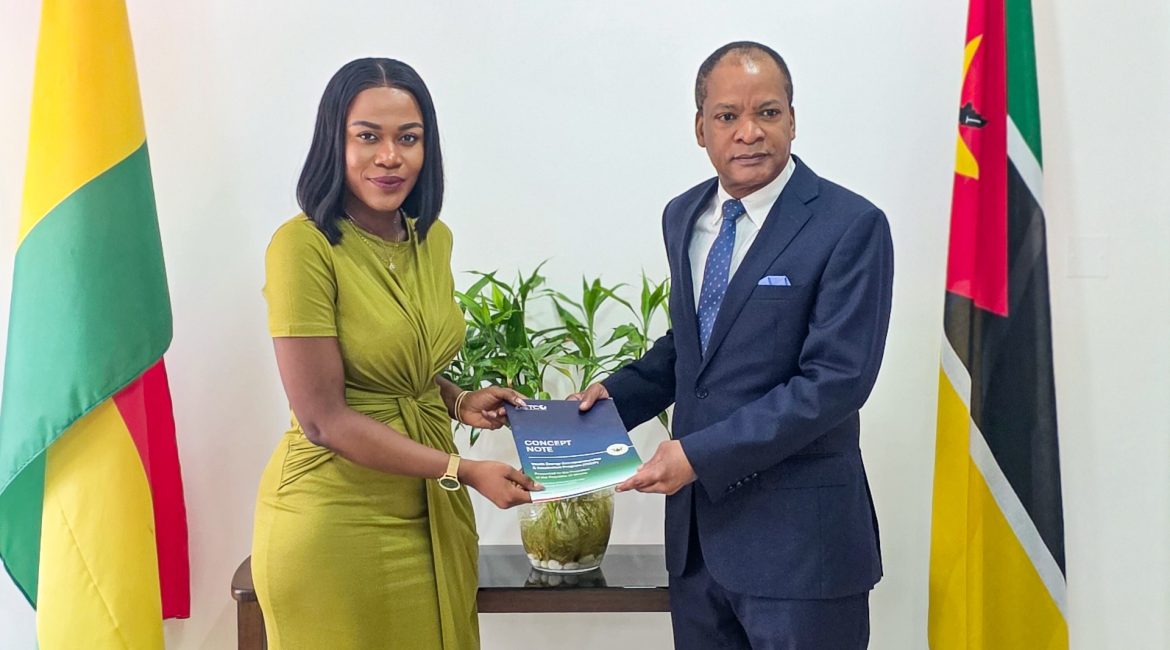
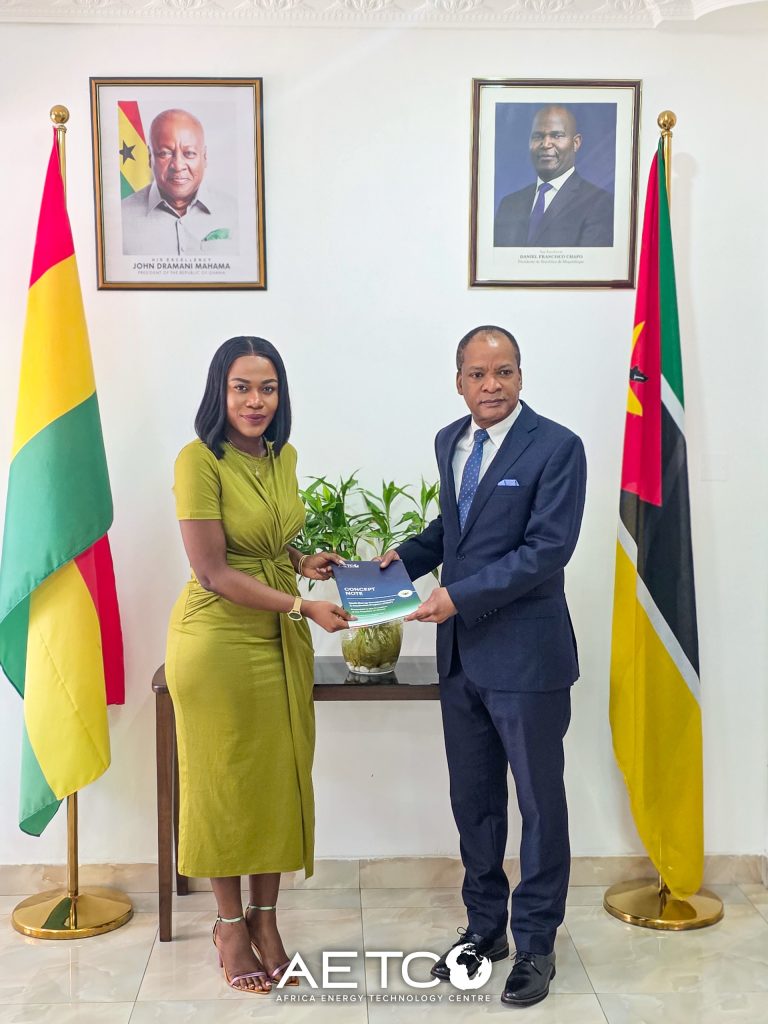
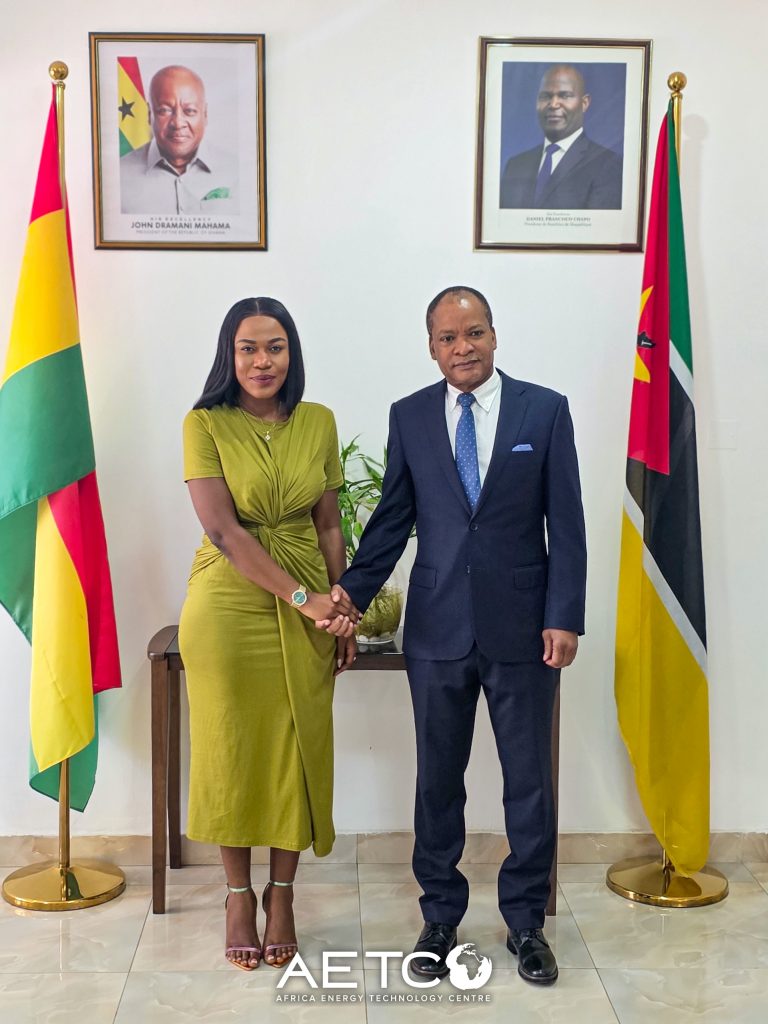
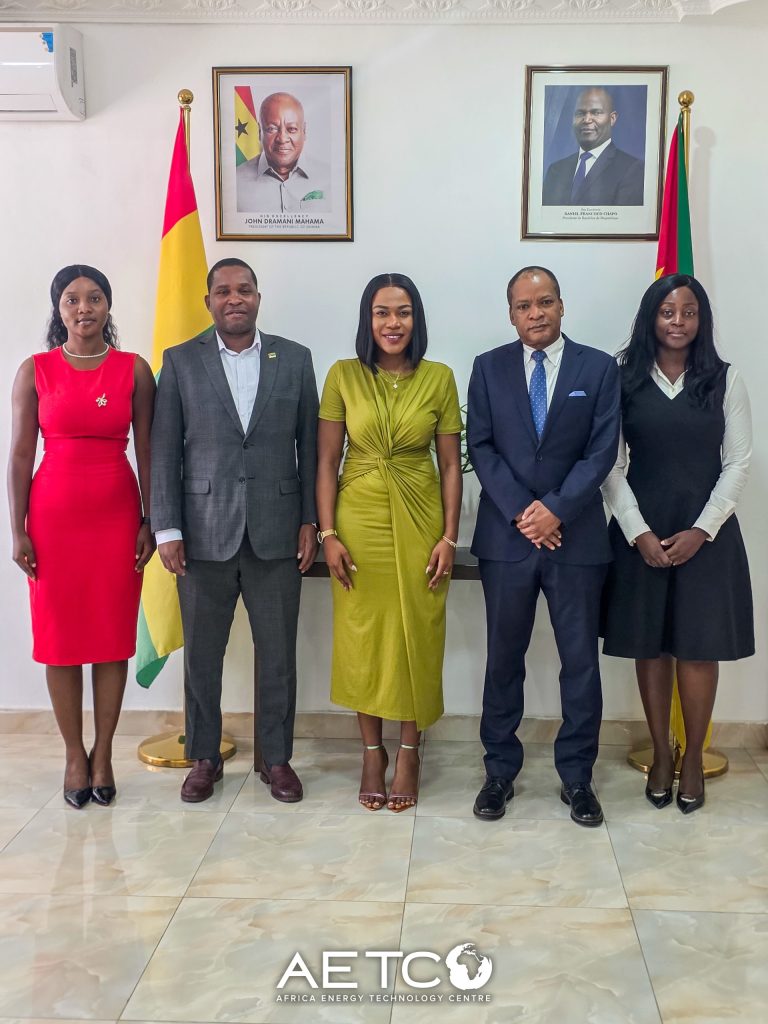
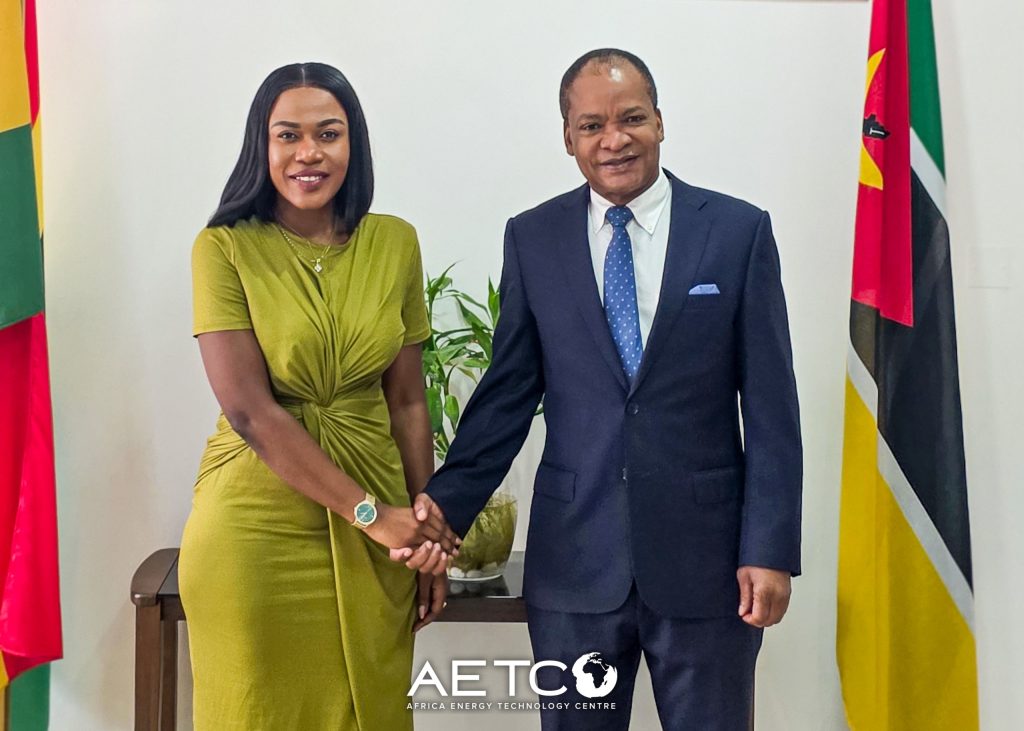
Accra, Ghana, there are moments in the life of a continent when geography quietly rearranges itself around opportunity. Northern Mozambique, once known chiefly for its coastline and its coal, is fast becoming one of those moments – a place where the world’s appetite for natural gas is meeting Africa’s determination to author its own energy story. It was against this backdrop that the Africa Energy Technology Centre (AETC), led by its Founder and President, Ms. Emelia Akumah, paid a courtesy visit to His Excellency Fortunato Albrinho, High Commissioner of the Republic of Mozambique to Ghana – a visit that was, in the truest sense, a meeting between institutions building the future and a nation stepping decisively into it.
The engagement reaffirmed AETC’s enduring commitment to strengthening the strategic partnerships that will carry Africa’s energy transformation forward- partnerships built not on rhetoric, but on collaboration, innovation and the deliberate exchange of knowledge across borders. It offered a rare and valuable opportunity to deepen bilateral dialogue and to explore the areas of mutual interest that underpin sustainable development, technological advancement and inclusive economic growth on the continent. AETC extended its sincere appreciation to the High Commission for its warm reception and for the candid exchange of perspectives on the forces reshaping Africa’s energy landscape.
A Nation Re-Entering the Global Energy Conversation.
Few countries illustrate the scale of Africa’s gas ambitions as vividly as Mozambique does today. After a five-year pause forced by security concerns in Cabo Delgado, TotalEnergies confirmed in early 2026 that all onshore and offshore activities at the roughly $20 billion Mozambique LNG project had fully resumed, following the government’s lifting of force majeure and its reaffirmed commitment to security in the region. Construction at the Afungi site has since mobilised more than four thousand workers, the great majority of them Mozambican nationals, a restart that industry observers have described as a turning point for African gas.
Mozambique LNG is not advancing alone. ExxonMobil’s Rovuma LNG development, valued at roughly $24 billion, has reached a major front-end engineering and design milestone, while Eni’s Coral Norte LNG project, valued at over $7 billion, began construction in early 2026 following the earlier success of its operating Coral Sul floating facility. Together, these projects are positioning Mozambique to become one of Africa’s leading LNG exporters, trailing only Nigeria and Algeria on the continent, with first cargoes from the restarted Mozambique LNG project targeted for around 2029.
This is precisely the kind of moment AETC exists to engage with. A resurgent Rovuma Basin speaks to conversations resonating well beyond Mozambique’s borders: how frontier energy economies balance security and investment; how local content requirements translate resource wealth into durable local employment and skills; how financing structures for high-capital, high-risk LNG projects are evolving in a more cautious global capital environment; and how gas-exporting nations position themselves within a global market recalibrating around energy security, diversification of supply and the pace of the broader energy transition. Mozambique sits at the centre of all of them.
Building on Natural Advantage
As one of Africa’s emerging energy hubs, Mozambique continues to play an increasingly consequential role in advancing the continent’s energy agenda – anchored by its abundant natural gas resources, its expanding infrastructure, and its growing contribution to regional energy security. The country’s sustained investment in its energy sector, and its evident commitment to translating resource endowment into broader economic opportunity, position it as a strategic partner of real weight in accelerating Africa’s industrialisation and in realising the continent’s long-term energy ambitions.
Shared Priorities Across the Energy Value Chain.
Discussions between AETC and the High Commissioner centred on the opportunities for collaboration between the Centre and the Republic of Mozambique in advancing shared development priorities across the full energy value chain. Areas of mutual interest included youth capacity building, entrepreneurship, technical and vocational skills development, mentorship, technology and innovation, institutional knowledge exchange, investment promotion, and the advancement of African-led solutions that strengthen energy resilience and sustainable economic growth.
The conversation also explored how future cooperation might be deepened through strategic initiatives designed to encourage investment, facilitate dialogue between public and private sector stakeholders, strengthen regional partnerships, and showcase Africa’s growing energy potential on the global stage. Both parties recognised the importance of building platforms that promote knowledge sharing, innovation and cross-border collaboration in service of the continent’s long-term development objectives.
A Shared Vision for Africa’s Energy Future.
His Excellency Fortunato Albrinho commended AETC’s vision and its unwavering commitment to championing African-led initiatives that promote innovation, strategic collaboration and sustainable energy development. The engagement reflected a shared conviction: that strengthening cooperation today creates opportunity for the generations of tomorrow, and contributes meaningfully to Africa’s growth, competitiveness and prosperity within the global energy industry.
This courtesy visit marks another significant milestone in AETC’s ongoing engagement with African governments and diplomatic missions, as the Centre continues to build the kind of meaningful partnerships that accelerate energy transformation, foster technological innovation, and unlock sustainable investment opportunities across the continent. As Mozambique’s gas frontier re-enters full motion and draws the eyes of global investors and offtakers alike, AETC’s engagement stands as a timely reminder that Africa’s energy future will be shaped as much by diplomacy and partnership as by pipelines and platforms.
Through sustained collaboration with governments, industry leaders and development partners, AETC remains committed to advancing an integrated, innovative and globally competitive African energy ecosystem, one that creates lasting impact for present and future generations.
Visit www.aetconference.com or contact +23326 880 0800 | +233 50 251 9909 for sponsorship and enquiries.